National Covers Official Site
  Google Top Quality Store
.png)

When you keep your boat in the water most of the year, you already know one thing: nature does not play fair.
Sun fades upholstery. Rain sneaks into seams. Leaves pile up. Birds do not leave pleasant surprises. And winter? Winter tracks out all the weak places you are not aware of.
This is precisely the reason why the selection of the correct mooring cover is important. It is not a piece of cloth but the initial part of your boat, which will be the first line of defense when you are not there to defend it.
This advice will guide you through the process of selecting a mooring cover that actually works all year round, without the confusion, over-promising, and technical jargon.
What Does a Mooring Boat Cover Really Do?
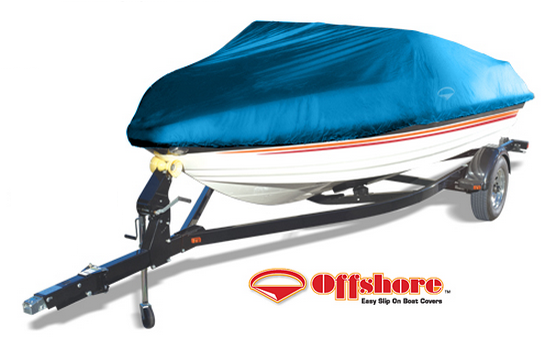
A mooring boat cover is created to cover the boat when it is still in the water, which is generally attached to a dock or mooring buoy. And that makes it unlike a trailer or storage cover.
An excellent boat mooring cover is constructed to accommodate:
- Continuous sun exposure
- Rain pooling and runoff
- Wind and movement from water
- Debris such as leaves, dust, and bird droppings.
What it is not supposed to do is to be used as a winter shrink-wrap in extreme freeze situations. Consider it to be daily armor, not a bunker. This difference in understanding can make you not purchase a cover that looks fab on the internet but does not work in the real world.
Why “Year-Round” Protection Needs a Smarter Approach
Most covers are said to be all-season, although year-round coverage is determined more by the material, fit, and design specifications than by what the marketer calls it.
- In summer, UV-resistance and breathability are required.
- Water repellency and drainage are demanded in rainy seasons.
- Autumn is associated with falling debris and the danger of mildew.
- Milder winters require resistance to moisture and temperature changes.
An off-the-shelf solution is unlikely to succeed. The right mooring cover meets these demands rather than performing excellently at one.
Fabric Matters More Than You Think
One thing you should not compromise is the quality of fabric. When long-term mooring is required, seek:
- Marine-grade polyester or solution-dyed fabrics.
- There are strong UV inhibitors woven into the material.
- Water resistance, which does not make the cover a plastic tarp.
Waterproofing is as important as breathability. The damp air causes mildew, a musty odor, and internal damage that is much more severe than the dirt on the surface.
A good mooring cover allows for the circulation of air, and at the same time, it is able to shed off the rain.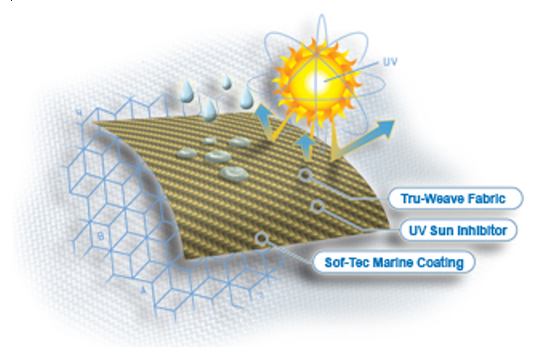
Fit: The Difference Between Protection and Frustration
A loosely fitting cover is even worse than having no cover at all. Too loose, the wind will make it a sail, straining seams and hardware. Too tight, and it’ll strain stitching and tear over time.
Properly designed mooring boat covers are designed to fit the hull of a particular length. They shape around windshields, rails, and consoles rather than struggle with them. Seek elastic hems or adjustable hems, reinforced stress areas, and secure fastening materials that retain in windy conditions.
The aim is a snug, drum-tight fit, without overstraining.
How Water Drainage Makes or Breaks a Cover
One of the quickest methods of destroying a cover is by water pooling. Dynamic water expands fabric, disrupts seams, and inevitably leaks through. Gradually, it also promotes the growth of mold under it.
The optimum boat mooring cover designs inherently shed water by:
- Strategic panel shaping
- Reinforced seams that don’t sag
- Compatibility with support poles when needed
When a cover appears flat over the deck, it will accumulate water and trouble.
UV Protection Isn’t Just About Colour Fading
Sun damage doesn’t stop at faded fabric. Exposure to UV dries out vinyl seats, cracks dashboards, and loosens stitching long before you realize that the materials have become problematic. This damage is accumulated quietly and consistently in warmer climates.
Good-quality mooring boat covers are made with UV-resistant threads and materials that do not break easily with time. This preserves your cover as well as your interior boat, season after season. UV resistance is not a luxury but rather a necessity in case your boat stays outside.
Wind Resistance: The Overlooked Threat
Wind is relentless on the water. Even the light wind produces continuous motion, scratching the cover on the rails, cleats, and corners. With time, this friction leads to wear, holes, and tears.
A good mooring cover takes this into consideration with reinforced corners and chafe points, robust tie-down systems, and materials that bend without losing their strength. The cheaper ones tend to break down first, particularly in the exposed marinas.
Ease of Use Actually Matters
In case a cover is hard to put on, it is not going to be used regularly. And a cover that lies idle defends nothing.
Viable characteristics to consider are
- Lightweight but durable materials
- Clearly labelled bow and stern points
- Simple fastening systems you can handle alone
The best mooring cover is the one you’ll actually use every time you dock.
Climate Should Influence Your Choice
The weather of the place is a significant factor in the effectiveness of a mooring cover. Breathable fabrics and ventilation are useful in humid regions to eliminate moisture and mildew. When in hot and sunny environments, high UV protection is necessary in order to reduce fading and damage to interiors. Windy places require a secure fit with reinforced points, which will minimize flapping and wear.
There’s no one-size-fits-all solution. The right mooring cover is the one designed to deal with the kind of conditions that your boat is exposed to most frequently.
When to Replace a Mooring Cover
Even the finest covers do not last long. Various symptoms indicate that it might be time to change yours, such as
- Thinning fabric or visible UV breakdown
- Persistent leaks despite re-proofing
- Torn seams or stretched hems
- A loose fit that no longer stays secure
The worn-out cover may lead to damage rather than safety, and it is a part of responsible boat care to replace it.
Final Thoughts
The selection of the appropriate mooring cover does not depend on the search for the most expensive or the most flashy features. It is about knowing how your boat lives when you are not there to take care of it in such a way. The right boat mooring cover works silently day after day. It protects your investment against sun, rain, wind, and debris, and hence whenever you get back on the board, things appear as you left them.
And that peace of mind? And that is the true worth of properly selected mooring boat covers. National Boat Covers is the best and most reliable manufacturer that makes mooring covers, considering these real-world conditions, with durability, fit, and long-term protection.
When your cover fits its purpose well, it drains water, prevents UV damages and is also held in place during the changing conditions, you are not only protecting a boat; you are protecting the time, money, and pleasure you invested in it.
 WARNING: Cancer and Reproductive Harm California Prop 65 -