National Covers Official Site
  Google Top Quality Store
.png)

Pontoon boat covers definitely play a critical role by protecting boats from sun exposure, rain, debris, and harsh winter conditions. Yet many boat owners run into a familiar problem: choosing a cover that nearly fits, but not completely. A loose cover flaps in strong winds, while a tight one puts undue stress on seams, fabric, and rails.
These issues come down to a single oversight: poor measurements. Measuring a pontoon boat is not that special, and doesn’t call for anything particularly unusual in the way of tools or skill, but it helps to have some idea of what to include and what you needn’t bother with. This is something to look out for when looking to buy pontoon boat covers that can also be used in the winter or for long-term storage. When done correctly, it can be easier to find a well-fitted cover for pontoon boat protection. This blog post is about how to measure pontoon boats properly, so you can select pontoon covers that will fit snugly and work well.
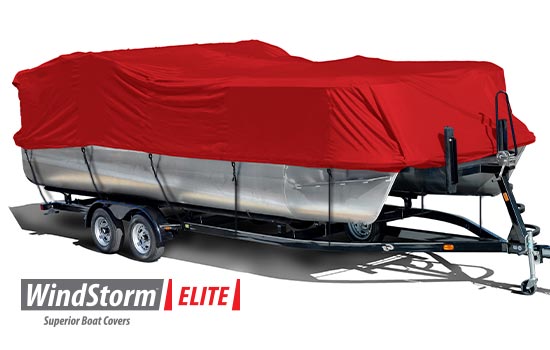
Why Accurate Pontoon Boat Measurements Matter
Acquiring the ratios right isn’t just a technical step; it’s what defines how well your pontoon boat covers actually performs. A cover that fits properly remains secure, prevents water pooling, and holds up against wind, sun, and extreme weather. When measurements are assumed, problems show up fast. Loose covers flap, rub against rails, and wear out early. Tight covers stress seams and stitching, resulting in a reduced lifespan.
Proper sizing also involves protection during storage. If you’re using pontoon boat covers for winter, an exact fit helps to keep snow, moisture, and debris out while letting proper airflow. Simply put, accurate measurement means your cover works the way it’s supposed to. This gives the boat owner the confidence that their investment is actually doing its job.
Here are some features to look out for:
Let’s take a look at some tips for measurement:
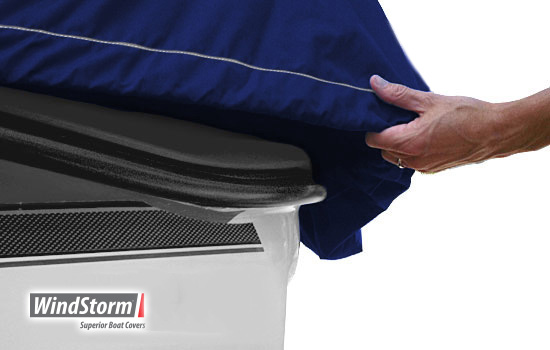
An exact sizing suggestion helps boat owners to quickly determine the right option, whether the pontoon has rails or a more open layout. With numerous length and width ranges available, there’s less risk of ending up with a cover that’s too tight or awkwardly flexible. Each cover for pontoon boat use is arranged with fit-focused construction, so it sits securely without stressing seams or fabric.
These issues come down to a single oversight: poor measurements. Measuring a pontoon boat is not that special, and doesn’t call for anything particularly unusual in the way of tools or skill, but it helps to have some idea of what to include and what you needn’t bother with. This is something to look out for when looking to buy pontoon boat covers that can also be used in the winter or for long-term storage. When done correctly, it can be easier to find a well-fitted cover for pontoon boat protection. This blog post is about how to measure pontoon boats properly, so you can select pontoon covers that will fit snugly and work well.
Why Accurate Pontoon Boat Measurements Matter
Acquiring the ratios right isn’t just a technical step; it’s what defines how well your pontoon boat covers actually performs. A cover that fits properly remains secure, prevents water pooling, and holds up against wind, sun, and extreme weather. When measurements are assumed, problems show up fast. Loose covers flap, rub against rails, and wear out early. Tight covers stress seams and stitching, resulting in a reduced lifespan.Proper sizing also involves protection during storage. If you’re using pontoon boat covers for winter, an exact fit helps to keep snow, moisture, and debris out while letting proper airflow. Simply put, accurate measurement means your cover works the way it’s supposed to. This gives the boat owner the confidence that their investment is actually doing its job.
Identify Your Pontoon Boat Type Before Measuring
Before you go searching for a tape measure, we should take a second to understand the way your pontoon is built. Boat shape is significant when it comes to how well a cover fits, secures, and withstands the test of time, so beginning with a proper design prevents sizing problems in the future.Here are some features to look out for:
- Pontoon with rails or no rails: Start by verifying whether your pontoon has frame rails. Pontoon covers are designed differently for railed and open-deck boats, and choosing the wrong style can lead to flawed coverage.
- Rail height and fence style: Not every rail is built the same way. Taller fencing or unique rail designs impact how a cover sits and secures around the sides of the boat.
- Deck layout and fixed accessories: Seat configurations, helm centering, and ensure mounted options all impact the cover's fit to your deck.
- Boat type impact on cover fit: Knowing your pontoon’s layout will help you choose the most appropriate cover, as well as minimize fabric stress and deliver a custom-like fit in all conditions.
How to Measure Pontoon Boat Length Correctly
When you know your pontoon’s layout, sizing its cover is the most crucial step for finding pontoon boat covers that fit right. Even the tiniest misstep can result in puddling or stinginess.Let’s take a look at some tips for measurement:
- Measure the deck from front to rear: Always measure from the front of the deck to the back. This shows you the true usable length that a cover needs to protect.
- Exclude motor and extensions: Do not include the outboard motor, swim ladders, or platforms. Pontoon covers are designed to fit the deck, not attachments.
- Measure in a straight line: Keep the tape straight down the centerline of the boat. Measurement along curves or angles can vary from the final size.
- Round up to standard size: If your measurement falls between two sizes, round up. A negligibly larger cover fits better than a tight one.
- Follow the manufacturer’s size ranges: Trusted providers like National Boat Covers structure covers around specific size ranges. This makes it easier to match your dimensions to the right cover for pontoon boat protection.
Why National Boat Covers Makes Measuring and Fitting Simple
Measuring feels a lot less fierce when the covers are developed with keeping pontoon boats in mind. That’s where National Boat Covers stands out. Instead of depending on sketchy sizing or guesswork, their pontoon covers are built around traditional boat measurements, which makes it easier to match what you’re buying.An exact sizing suggestion helps boat owners to quickly determine the right option, whether the pontoon has rails or a more open layout. With numerous length and width ranges available, there’s less risk of ending up with a cover that’s too tight or awkwardly flexible. Each cover for pontoon boat use is arranged with fit-focused construction, so it sits securely without stressing seams or fabric.
 WARNING: Cancer and Reproductive Harm California Prop 65 -