National Covers Official Site
  Google Top Quality Store
.png)

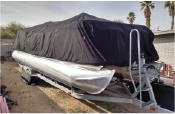
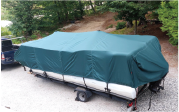
Pontoon boat covers might not be the most impressive upgrade you visualize when you first bring your boat home, but they quickly become one of the most useful ones. That soft vinyl seating, those glossy rails, and the console you just wiped down for the third time in a week. All of it starts taking a toll the moment the pontoon sits exposed in the sun, rain, and dust. A few days here and there might not seem like much, but over a season, that exposure adds up fast.
Faded seats, persistent stains, and moisture that never dries out. If this sounds familiar, then you’re at the right place. In this guide, we will break down why pontoon boat covers should be your first upgrade and how the right choice keeps your boat looking new every season.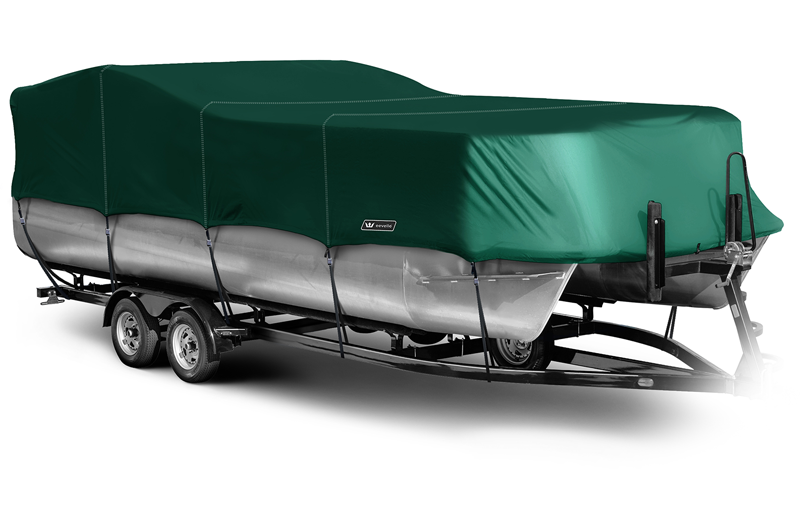
Why Boat Protection Comes First
The first few months of owning a pontoon are usually all about enjoying the water. Calm mornings on lakes. Quick sunset cruises. Weekend plans that suddenly revolve around weather reports. In the middle of all that fun, protection often drops to the bottom of the list. But damage slowly shows up.
Sun exposure starts affecting the interior from the very first day. Vinyl loses its colour. Stitching dries out. Plastics age faster than expected. Plus, a few unexpected rain showers cause the moisture to settle into the crevices that are hard to dry properly.
Pontoon boat covers help to stop all these damages before it turns into a costly bill. A well-fitted cover acts like a barrier between your boat and the elements when the boats are not in use. It keeps the surfaces cleaner, limits sun damage, and reduces the time spent on cleaning everything before every ride. Well-known brands like National Boat Covers deliver covers built around real-world storage and dockside conditions.
What Really Damages a New Pontoon Boat (It’s More Than You Think)
A newly purchased pontoon looks tough, but daily exposure starts taking a toll faster than most owners wish. The damage is easy to miss at first. Over time, it shows up in ways that are hard to reverse.
Here are some of the most common issues:
UV fades seats and rail finishes
The daily assault of UV robs vinyl, takes the moisture out of stitching, and dries metal rails of their once-glistening shine.Moisture causes mildew and odors.
Captured water can trickle into seams and corners, resulting in a musty odor.
Dirt and sap stain surfaces
Dust, pollen, and tree sap adhere to textured spots and can be hard to remove with washing.Bird droppings damage coatings
Droppings can damage vinyl and chew away at protective finishes if left too long.Wind causes scratches and scuffs
Wind-blown debris and loose gear rub against rails and panels, leaving small but everlasting marks.
How Pontoon Boat Covers Prevent Costly Early Wear
It is one thing to know what causes damage. It is another to stop it before it becomes permanent. This is where pontoon boat covers earn their place as a smart first upgrade for new owners.
Blocks UV to prevent fading
A quality cover shields seats, panels, and rails from direct sunlight, helping colors stay true longer.
Keeps rain off to limit mildew
By keeping water out of seams and corners, covers reduce the damp conditions that lead to mold and odors.Stops dirt and debris buildup
Dust, pollen, leaves, and sap stay on the cover instead of settling into textured surfaces on the boat.Protects rails from scuffs
A snug fit helps prevent wind-blown debris and loose gear from rubbing against metal rails and fencing.
Why Pontoon Boats With Rails Need Specific Covers
Not all pontoons are built the same, and boats with rails need more than a one-size-fits-all solution. A generic cover might seem fine at first, but small fit issues quickly turn into bigger problems.
Rail height affects cover fit
Taller or uniquely shaped rails change how a cover sits across the deck and sides.Standard covers leave gaps
Gaps around rails let sun, rain, and debris slip through to exposed areas.Loose-fitting flap and wear
Extra fabric catches the wind, leading to flapping that causes rubbing and early tearing.Cutouts prevent snagging
Covers designed for railed pontoons account for rail profiles, reducing stress points.Proper sizing resists wind
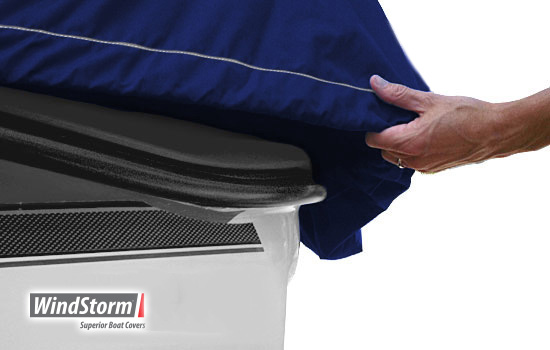
A size-matched cover stays put in breezy conditions and reduces the chance of pooling water.
Final Thoughts
A new pontoon is an investment worth protecting from the start. Daily exposure to sun, moisture, and debris adds up faster than most owners expect. Pontoon boat covers offer a simple way to slow that wear, keep your boat cleaner, and protect the look you paid for. Choosing a well-fitted option from National Boat Covers helps you avoid common fit issues and makes storage easier, whether your pontoon sits at the dock or in the driveway. Start with protection, and the rest of your upgrades will make a lot more sense.
 WARNING: Cancer and Reproductive Harm California Prop 65 -